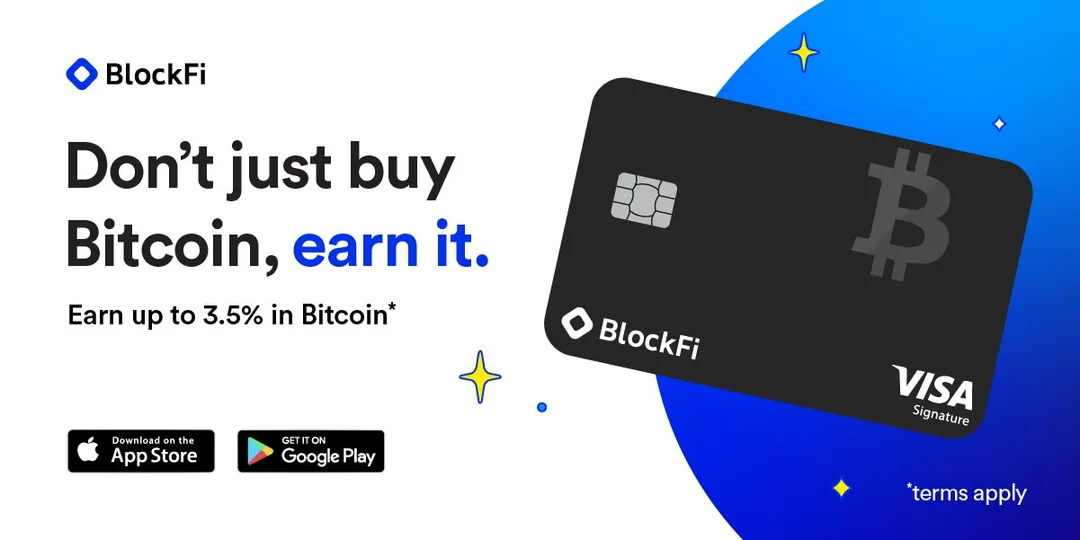
BlockFi Login – A Complete Guide to Account Access, Security, and Platform Navigation
Welcome to BlockFi Login, a comprehensive informational guide designed to help users understand how BlockFi account access works, what to expect during login, and how to protect account security. BlockFi was once a well-known cryptocurrency financial services platform offering interest accounts, crypto-backed loans, and trading services. While the platform’s operations have changed significantly over time, many users still seek clear information about logging in, accessing account records, and understanding security practices related to BlockFi accounts.
This guide focuses on how BlockFi login historically functioned, what users typically encountered when accessing their accounts, and best practices for account security and awareness. It is intended for educational and informational purposes only.
What Is BlockFi Login?
BlockFi Login referred to the process by which registered users accessed their BlockFi accounts through the official website or mobile interface. Logging in allowed users to view balances, transaction history, interest activity, and account settings associated with their BlockFi profile.
A standard BlockFi login experience typically involved:
Entering a registered email address and password
Completing two-factor authentication (2FA)
Accessing account dashboards and statements
Because BlockFi operated as a custodial platform, login credentials were essential for accessing account data and platform features.
Understanding the Purpose of BlockFi Login
BlockFi login access was designed to provide users with a centralized dashboard for managing their crypto-related financial activity. Once logged in, users could historically:
View cryptocurrency balances
Track interest earnings
Review transaction and account history
Manage security settings
Access statements and account documents
Unlike non-custodial wallets, where users control private keys directly, BlockFi login granted access to an account managed by the platform.
Typical BlockFi Login Process
Step 1: Visit the Official Platform
Users would navigate to the official BlockFi website using a secure browser connection. Verifying the correct domain was essential to avoid phishing attempts.
Step 2: Enter Login Credentials
Users entered:
Their registered email address
Their password
Strong, unique passwords were recommended to reduce the risk of unauthorized access.
Step 3: Two-Factor Authentication (2FA)
For added security, BlockFi required a one-time code generated through an authenticator app or delivered via another secure method. This extra step helped protect accounts even if passwords were compromised.
Step 4: Access the Account Dashboard
After successful authentication, users were redirected to their account dashboard, where balances, activity, and settings were displayed.
Account Security and Login Protection
Security played a major role in the BlockFi login process. Users were encouraged to adopt strong account protection habits, including:
Two-Factor Authentication (2FA): Enabled by default for most users
Email Verification: Alerts for login attempts and account changes
Session Monitoring: Automatic logouts after inactivity
Password Best Practices: Long, unique passwords not reused elsewhere
These measures were intended to reduce the risk of unauthorized account access.
Common Login Issues and Troubleshooting
Users occasionally encountered login difficulties. Common issues included:
Incorrect Credentials
Typing errors or forgotten passwords were among the most common causes of login failure.
2FA Errors
Time-sync issues with authenticator apps could cause invalid code errors.
Account Lockouts
Multiple failed login attempts could temporarily restrict access for security reasons.
Platform Maintenance
Scheduled maintenance periods could temporarily limit login availability.
In such cases, users were typically advised to follow official recovery steps rather than attempting repeated logins.
Password Recovery and Account Access
If a user forgot their password, the standard recovery process usually involved:
Selecting “Forgot Password” on the login page
Entering the registered email address
Following instructions sent via email
Creating a new, secure password
Users were advised to complete password resets only through official channels and to avoid clicking links from unsolicited messages.
Recognizing and Avoiding Login Scams
Phishing attempts were a known risk for BlockFi users, especially during periods of heightened public attention. Common scam indicators included:
Emails urging “urgent login” actions
Messages requesting passwords or authentication codes
Lookalike websites with slight spelling differences
Requests for sensitive information outside official platforms
Best practices included bookmarking official pages, avoiding suspicious links, and never sharing login credentials.
Understanding Custodial Platform Logins
BlockFi login differed from hardware wallets or decentralized wallets in important ways:
Custodial Access: Assets were managed by the platform, not directly by private keys
Account-Based Security: Login credentials controlled access, similar to online banking
Centralized Controls: Platform policies governed withdrawals and activity
Understanding this distinction helped users better assess risk and responsibility when using custodial services.
Importance of Email Security
Because BlockFi login relied heavily on email-based verification, securing email accounts was critical. Recommended practices included:
Enabling two-factor authentication on email accounts
Using a strong, unique email password
Monitoring login alerts
Avoiding public or shared devices
Compromised email access could potentially lead to unauthorized account activity.
Account Statements and Login Access
Through login access, users could historically retrieve:
Transaction history
Interest statements
Account activity logs
Downloadable financial records
These records were important for personal tracking and documentation purposes.
Long-Term Account Safety Tips
For anyone who previously held or still accesses account-related information, long-term safety practices included:
Regularly updating passwords
Monitoring account notifications
Avoiding reused credentials
Keeping devices updated and malware-free
Staying informed through official announcements
Even after active use ends, account awareness remains important.
Understanding Platform Changes and Awareness
Cryptocurrency platforms can evolve rapidly due to regulatory, financial, or operational changes. Users were encouraged to:
Rely only on official communications
Avoid speculation from unofficial sources
Understand that login availability and features may change over time
Maintain personal records independent of platform access
Staying informed helped users make responsible decisions.
Responsible Use and Digital Awareness
Accessing financial platforms requires a strong understanding of digital responsibility. This includes:
Knowing where and how you log in
Understanding platform risks
Protecting personal information
Seeking verified information sources
These principles apply not only to BlockFi but to all online financial services.
Final Thoughts
BlockFi Login represented the gateway to a centralized crypto financial platform where users could view and manage account-related information. Understanding how login systems work, how security protections are applied, and how to recognize potential risks is essential for anyone interacting with online financial platforms.
This guide is intended to provide clear, educational insight into BlockFi login access, security considerations, and best practices for account awareness. Whether reviewing past activity or learning about custodial platform access in general, informed users are better equipped to protect themselves in the digital financial landscape.